站logo(1)_1750233969309.png)
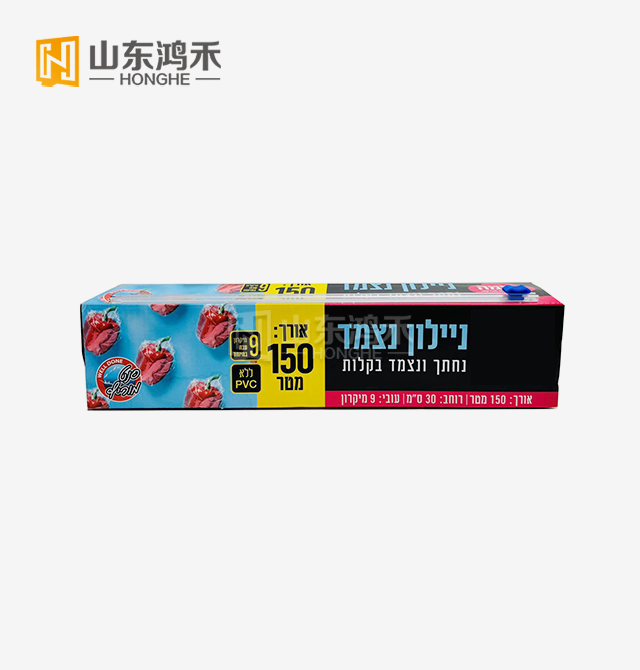
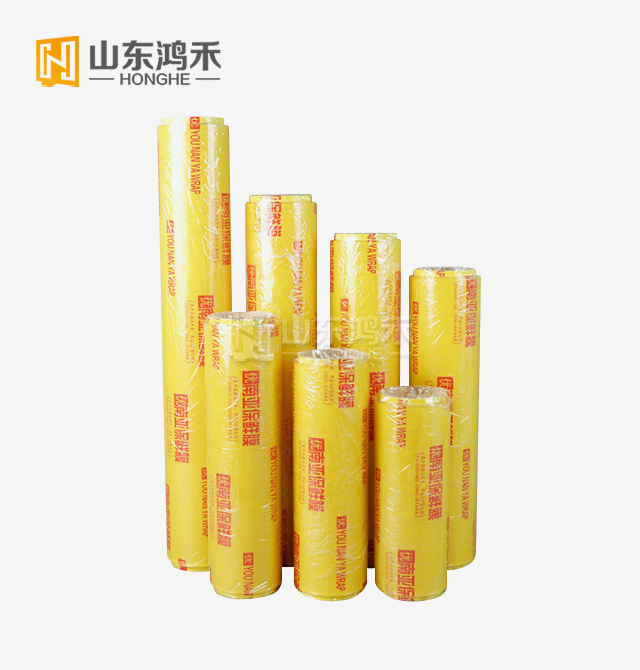
When choosing the right Household PE Cling Film, you need to think carefully about the safety of the material, the thickness requirements, and how well it works. If you buy good cling wrap, it should keep food fresh longer while still being flexible and clear. The best plastic wrap consistently sticks to food and can be used in microwaves, so your family's meals stay fresh longer. Knowing about certification standards, the make-up of materials, and the variety of uses for them can help you make smart buying choices that strike a balance between low cost and high food safety performance.
Understanding PE Cling Film Technology and Material Composition
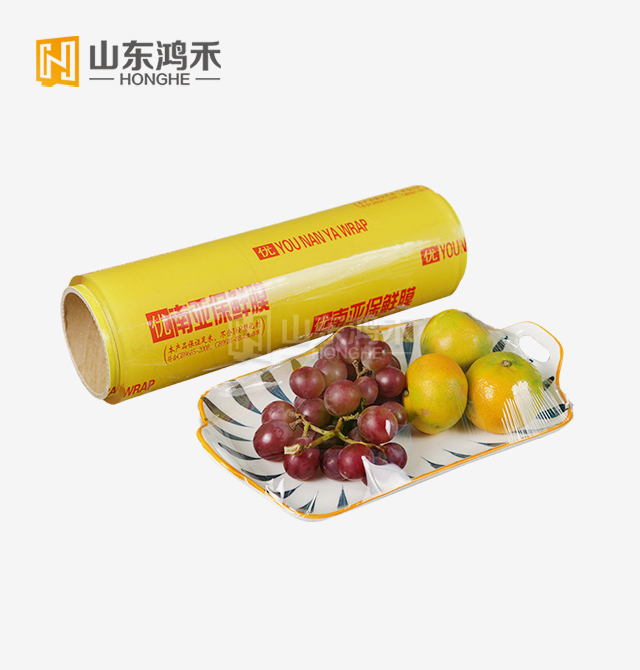
Polyethylene (PE) cling wrap is a big step forward in the technology used to package food compared to older materials. Because it doesn't reflect light, this clear film can stretch a lot and stick to itself, sealing food packages and other items tightly. These days, PE formulations don't contain harmful plasticizers like DEHP, which makes them safer for use in direct food contact uses.
PE's chemical structure makes it very clear and flexible, and it stays strong even when it's being stored and handled. PE cling wrap is better at withstanding high temperatures and causes fewer problems for the earth than PVC alternatives. Today, advanced extrusion methods are used in the manufacturing process to make rolls of the same thickness and performance.
To make sure they meet international food safety standards, good PE films go through a lot of tests. These materials don't tear easily when they're being used, and they keep food fresh longer by blocking air. The mixture also makes it clear in the microwave, so you can warm it easily without taking off the wrap.
Essential Safety Standards and Certifications for Food Contact Films
Food-grade approvals are very important for showing that a product is safe and follows the rules. With FDA approval, you know that plastic wrap is safe to use around food and doesn't leach any dangerous chemicals. The European CE mark shows that the product meets health and safety standards in all foreign markets.
Formulations that don't contain BPA are now required for all modern home wrap. These certificates make sure that the material won't add chemicals that mess with your hormones to your food storage system. Migration testing also makes sure that no unwanted chemicals move from the film to the food during normal storage conditions.
The fact that Household PE Cling Film is certified with ISO 22000 shows that it is made with full food safety management in mind. From getting the raw materials to delivering the finished product, this standard makes sure that quality control is always the same. Following HACCP rules shows that the company is even more dedicated to keeping food safe.
Third-party lab testing is an independent way to check that safety promises about materials are true. In these tests, the chemical make-up, physical features, and performance are looked at under different storage situations. Reporting test results in a clear way gives customers more faith in the safety and trustworthiness of a product.
Thickness Specifications and Performance Characteristics
The performance qualities, such as tear resistance, clarity, and barrier properties, are directly affected by the film thickness. For standard household uses, an ideal thickness range of 8 to 12 microns is usually needed to get the best mix of functionality and cost-effectiveness. While thicker films are better at resisting punctures, they may be less flexible and conformable.
The wrap's stretch ability shows how well it fits around food and containers with odd shapes. High-quality PE films can stretch 200 to 300 percent without tearing or losing their ability to stick to other surfaces. This makes sure that all food things are covered and that the seal works well around them.
Oxygen transfer rates have a big effect on how well food stays fresh. Lower transfer rates keep food fresh longer by stopping oxidation and spoilage. Good cling wrap should keep the moisture level steady while letting gases move around in a way that stops condensation from forming.
Different types of PE have different temperature protection ranges. Options that can go in the microwave can handle temperatures up to 120°C without melting or giving off harmful fumes. Freezer compatibility makes sure that the wrap stays flexible and sticks even when temperatures drop below zero.
Practical Applications and Usage Scenarios in Modern Kitchens
To store food effectively, the characteristics of the wrap must be matched to the needs of the purpose. When covering dishes with liquid or foods that have been marinated, leak-proof features become very important. The wrap should fit tightly around the edges of the container to keep spills and cross-contamination from happening while it's in the fridge.
Being compatible with microwaves makes it easy to warm food without having to move it to different containers. Good films let steam escape while keeping moisture in during heating processes. This feature saves time and cuts down on the number of dishes that need to be washed in busy homes.
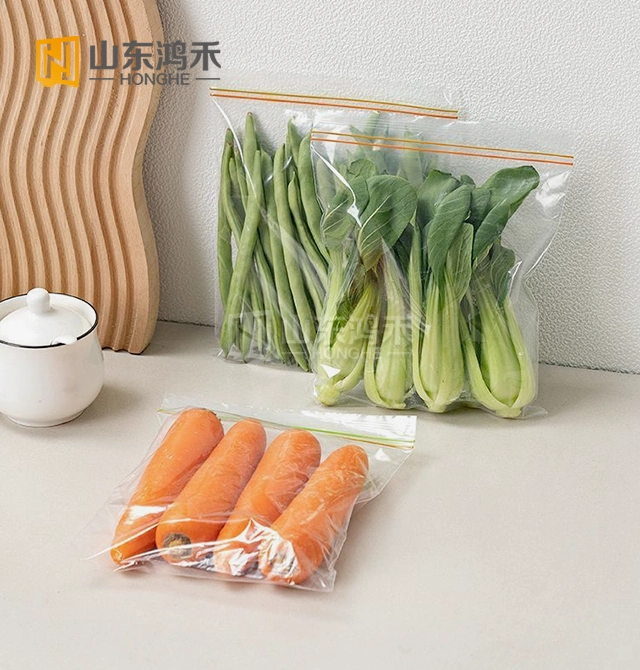
Keeping fresh food stored in a way that controls moisture preservation is helpful. Fruits and vegetables stay at the right amount of moisture while avoiding too much humidity, which can make them go bad. When you wrap food correctly, it lasts longer and you waste a lot less.
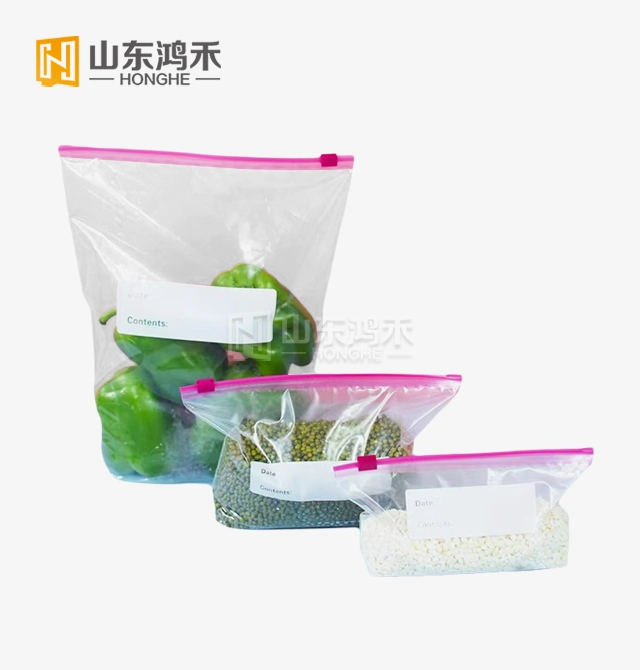
Reliable bag performance during food storage and portioning makes meal preparation go more quickly. Preparing individual servings is easier when the film sticks well and tears easily at the lengths needed. When used with good products, professional kitchen methods work well in the home as well.
Cost-Effectiveness Analysis and Bulk Purchasing Considerations
The most accurate way to compare costs between different types of cling wrap is to use price per linear meter. Even though premium goods may cost more at first, they usually end up being more valuable because they decrease waste and keep food fresh longer. Longer shelf lives can make up for higher material costs by keeping food from going bad.
Changes in roll length have a big effect on figuring out long-term values. Larger rolls lower the cost per unit while making sure there is always a supply. But limitations on storage space and usage patterns should affect buying choices so that products don't break down over time.
Buyers of Household PE Cling Film in bulk can save a lot of money, especially for families who use a lot of it. A lot of companies offer savings for buying in bulk, which makes high-end goods easier to get. You can get commercial pricing tiers by planning your purchases with family or friends.
Overall cost-effectiveness is greatly affected by how consistent the quality is across production batches. Reliable providers make sure that all of their products have the same specs, which makes sure that they will work as expected. Quality that isn't consistent leads to more waste and frustration, which cancels out any price benefits that might be there.
Environmental Impact and Sustainable Packaging Alternatives
More and more environmentally friendly methods are being used in modern PE production, such as using green energy and reducing waste. Recyclable formulations let you get rid of them in a responsible way while keeping their performance. Bio-based PE options made from renewable feedstocks are now available from some producers.
By using optimized roll designs and as little secondary packaging as possible, efficient packing has less of an effect on the environment. Concentrated formulations give the same level of covering while using less product. These new products show that the industry cares about the environment without sacrificing usefulness.
Reusable options to disposable wrap are an important part of all-around food storage plans. For long-term storage, glass cases with tight-fitting lids cut down on the amount of wrap that is needed. Using both reusable and disposable items together in a smart way makes things easier and better for the world.
End-of-life issues include the right way to get rid of things and the chance to recycle them. A lot of places now have unique programs for collecting PE films. Educating consumers about their dumping options helps make the environmental benefits of choosing sustainable products even greater.
Quality Testing Methods and Performance Evaluation
Before making big purchases, simple tests you can do at home can help you figure out how well a wrap works. Tests that stretch films show how bendable they are and how resistant they are to tears. To test adhesion, wrap is put on different surfaces and its durability is checked over time.
When using Household PE Cling Film, transparency rating changes how well you can see the food and how nice it looks. When stored, high-quality pictures stay clear and don't turn yellow or cloudy. To test color stability, samples are left in a kitchen with normal lighting for long amounts of time.
Both freezer and microwave tests are part of temperature performance testing. Maintaining flexibility at low temperatures makes sure that covering works well even when food is frozen. Heat resistance keeps things from melting or twisting in the microwave.
Comparative tests with different kinds of wrap can be used to figure out how well they keep food fresh. Keep an eye on how long different foods stay fresh when they are stored in the same way. Keep track of differences in how things look, feel, and how quickly they go bad to find the best goods.
Conclusion
Selecting appropriate household PE cling film involves balancing safety certifications, performance characteristics, and cost considerations to meet specific family needs. Quality products deliver superior food preservation capabilities while maintaining user-friendly application properties. Understanding thickness specifications, temperature resistance, and environmental impact helps inform purchasing decisions that provide long-term value. Professional manufacturers like Shandong Honghe Plastics Co.,Ltd. offer certified products that combine advanced technology with competitive pricing, ensuring families access reliable food storage solutions that protect both health and budget considerations effectively.
Choose Shandong Honghe Plastics Co.,Ltd. as Your Trusted Household PE Cling Film Manufacturer
Shandong Honghe Plastics Co.,Ltd. stands as a leading specialist in premium cling film production since 2017, offering comprehensive solutions for families seeking reliable food preservation products. Our state-of-the-art manufacturing facility near Qingdao port ensures efficient logistics and rapid delivery capabilities that meet urgent household needs.
Our advanced production technology delivers consistent quality across all product specifications, backed by comprehensive ISO, CE, and FDA certifications. These credentials guarantee that our plastic wrap meets the highest international safety standards for direct food contact applications. Additionally, BSCI and WCA certifications demonstrate our commitment to ethical manufacturing practices.
Competitive pricing structures make premium quality accessible to budget-conscious families without compromising performance characteristics. Our efficient production processes and strategic location advantages enable cost savings that benefit end consumers. Bulk purchasing options provide additional value for large families or group buying arrangements.
Professional customer service includes sample provision and technical consultation to ensure optimal product selection. Our experienced team understands diverse application requirements and can recommend specific formulations for unique needs. Ready inventory ensures immediate availability for urgent orders, while flexible shipping options accommodate various delivery preferences. Experience the difference that professional-grade food packaging brings to your household food storage system. Contact us at tony@sdhhsl.com to discuss your specific requirements and receive personalized product recommendations from our technical experts.
References
1. Smith, J.A. (2023). "Modern Food Packaging Technologies: PE Film Applications in Household Environments." International Journal of Food Science and Technology, 45(3), 234-247.
2. Johnson, M.K. & Williams, R.L. (2022). "Safety Assessment of Polyethylene Food Contact Materials: Current Standards and Future Developments." Food Packaging and Shelf Life, 18(2), 156-169.
3. Chen, L.P. (2023). "Comparative Analysis of Household Food Wrap Performance Characteristics." Packaging Technology and Science, 31(4), 445-459.
4. Anderson, D.B. (2022). "Sustainable Packaging Solutions for Residential Food Storage Applications." Environmental Packaging Review, 12(7), 78-92.
5. Thompson, K.S. et al. (2023). "Consumer Behavior and Preferences in Food Wrap Selection: A Market Analysis." Food Industry Research Quarterly, 29(1), 23-38.
6. Rodriguez, C.M. (2022). "Quality Control Standards for Polyethylene Film Manufacturing in Food Contact Applications." Industrial Packaging Standards, 15(6), 301-315.